
Payment infrastructure is changing as consumers gain more ways to complete purchases without physical cards. Digital wallets, contactless payments, account-to-account transfers, and other methods are becoming common across retail and ecommerce. These options can change the customer experience, but merchants still need reliable systems underneath every transaction.
The shift toward cardless payments also creates new considerations for businesses. Merchants must support convenient payment methods while maintaining security, reliability, reporting, and operational control. Strong infrastructure helps businesses manage these demands without rebuilding their payment environment for every new method.
What Does Cardless Payment Really Mean?
Cardless payment refers to transactions completed without physically presenting a traditional payment card. A customer might use a smartphone, smartwatch, digital wallet, QR code, or another electronic method. Some payment methods can also move funds directly between bank accounts.
Digital wallets illustrate this transition clearly. Customers can store payment credentials on their devices and use tokenized information during checkout. Contactless transactions can also reduce the need for physical cards during in-person purchases.
For merchants, the visible payment method represents only one part of the transaction. Behind that experience, payment infrastructure must securely transmit information, request authorization, and return a transaction result. It must also support appropriate records for reconciliation and reporting.
Why Payment Infrastructure Still Matters
Payment methods may change quickly, but merchants continue to depend on core processing functions. Transactions need authorization, security, routing, settlement, and accurate reporting. Businesses also need systems that can handle transaction volumes consistently.
A fragmented payment environment can make these responsibilities harder to manage. Separate systems may create disconnected reporting, inconsistent transaction records, and additional operational work. Merchants may also struggle to identify payment problems when information sits across multiple platforms.
A strong payment infrastructure strategy creates greater consistency. Businesses can establish reliable processes to accept payments, monitor activity, and manage transaction information. This foundation can also make it easier to accommodate new payment methods.
The Growing Role of Digital Wallets
Digital wallets have helped accelerate the move toward cardless transactions. Customers can use stored credentials through smartphones, browsers, and other connected devices. These experiences can shorten checkout and reduce the need to enter payment information manually.
Tokenization plays an important role in this process. A token can represent sensitive payment information without exposing the underlying account details during every transaction. This approach can reduce the risks of storing and transmitting payment credentials.
Merchants still need compatible payment systems to support these transactions. Hardware, gateways, processors, and software must work together correctly. A payment infrastructure strategy should therefore consider the complete transaction path.
Contactless Payments Are Changing In-Person Transactions
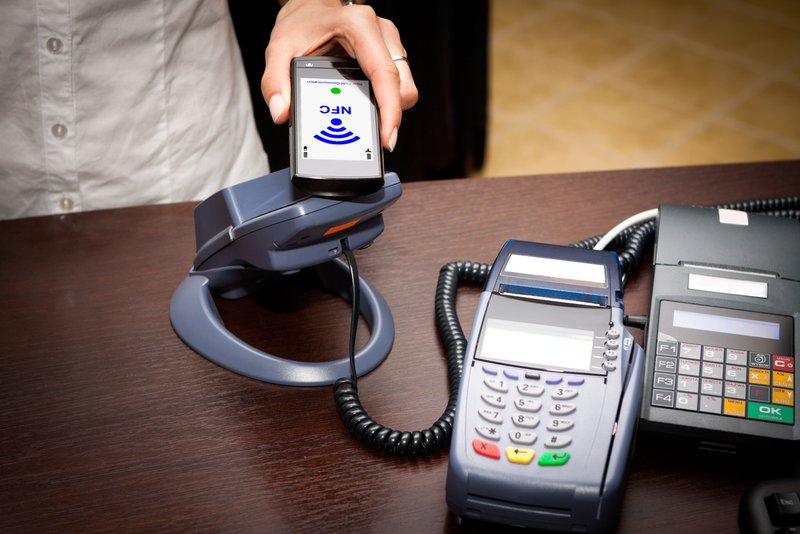
Cardless commerce also affects physical stores. Contactless payment technology allows customers to tap compatible cards or devices against payment terminals. The transaction can then proceed without inserting or swiping a physical card.
This creates a faster checkout experience. It can also reduce physical interaction with payment equipment. These benefits can matter during busy periods when checkout speed affects customer satisfaction.
Merchants need payment terminals that support current contactless standards. They also need payment processing systems that can securely handle the resulting transactions. Reliable infrastructure helps ensure faster checkout doesn't add operational complexity.
eCommerce Faces a Different Set of Challenges
eCommerce merchants must support cardless payments in digital checkout experiences. Customers may expect stored credentials, digital wallets, and other convenient options. They also expect transactions to work smoothly across different devices.
Payment infrastructure must meet these expectations while managing security risks. Online transactions can involve account takeovers, stolen credentials, automated attacks, and other forms of payment fraud. Merchants therefore need appropriate authentication and fraud controls alongside convenient payment options.
A successful ecommerce payment strategy should also consider payment performance. Authorization rates, declines, chargebacks, and abandoned carts can provide valuable information. These metrics help merchants identify problems affecting revenue and customer experience.
Payment Infrastructure Needs to Support More Than Transactions
Modern merchants often need their payment systems to support operational tasks beyond accepting payments. Transaction data can support reconciliation, reporting, refunds, customer service, and financial analysis.
Point-of-sale systems can play an important role in this environment. A capable POS system can connect payment activity with sales information. It can also give employees tools to process transactions and manage day-to-day checkout operations.
Custom-built systems can offer additional flexibility for businesses with specific operational requirements. Instead of forcing every merchant into identical workflows, a customized POS can be designed around particular business needs. This can make the payment environment easier to manage as those needs change.
Payment Infrastructure Security Must Remain a Core Consideration
More payment options can create additional points that merchants must secure. Each payment method can introduce different authentication processes, transaction flows, or technical requirements. Businesses should evaluate security across the entire payment environment.

Encryption can protect payment data while it moves between systems. Tokenization can help limit exposure to sensitive payment information. Fraud prevention tools can add controls to identify suspicious transactions.
Access controls also matter. Employees should receive permissions appropriate to their responsibilities. Regular system updates can further reduce vulnerabilities and support reliable payment operations.
Preparing for a Cardless Future
Merchants do not need to adopt every new payment method immediately. Instead, businesses can evaluate which options fit their customers, sales channels, and operational requirements. The goal should be creating a flexible foundation that can support sensible additions over time.
That foundation starts with dependable payment infrastructure. Merchants should examine their processing capabilities, POS technology, payment gateway, security controls, and reporting tools. They should also consider how easily these systems can accommodate changing customer preferences.
A flexible infrastructure strategy can reduce disruption when new payment methods become relevant. It can also help businesses avoid building disconnected solutions for every emerging payment option.
Building the Right Payment Infrastructure Foundation
Tidal Commerce provides payment processing, payment gateway services, and a custom-built Waves POS platform for U.S. businesses. Waves POS supports major credit cards and contactless payments through purpose-built hardware and software. Its architecture also supports secure payment handling through tokenization and end-to-end encryption.
We design our payment solutions around merchants' practical needs. Businesses can evaluate these capabilities alongside their existing systems and operational requirements.
For more information, call 1-855-51-TIDAL.


