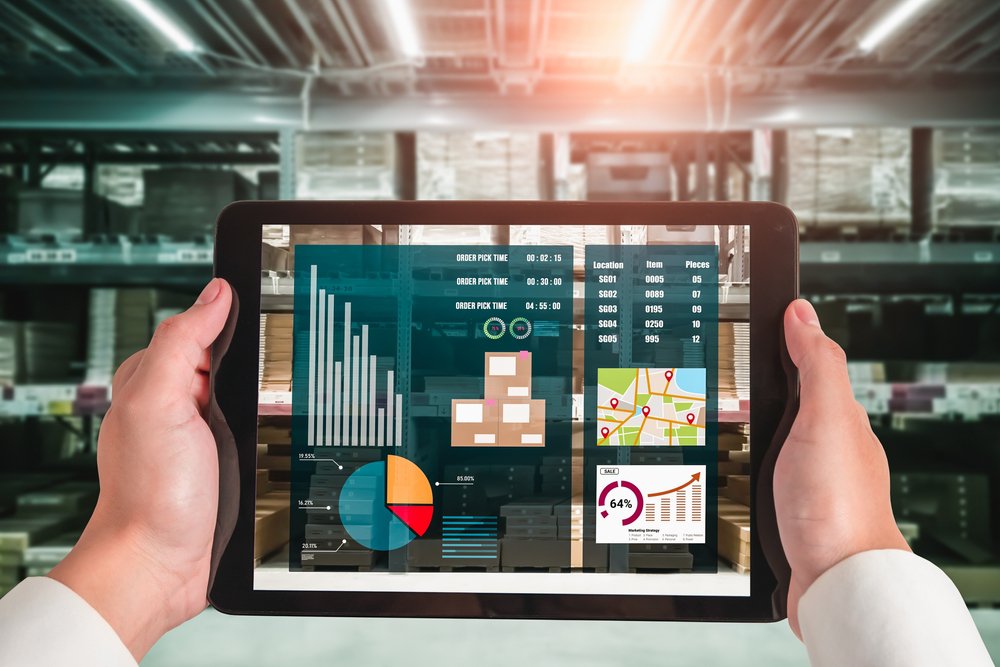
For many years, businesses viewed payment systems as a necessary tool for accepting transactions. Today, payment analytics is changing that perspective by transforming transaction data into a valuable business resource. Every payment contains information that can help organizations better understand customers, improve operations, and identify opportunities for growth.
Businesses generate large volumes of transaction data every day. Without proper analysis, much of that information remains unused. Organizations that leverage payment data effectively can uncover patterns that support better decision-making across multiple departments.
As competition increases across industries, access to actionable insights becomes increasingly important. Payment data provides a unique view of customer behavior that many businesses already possess but do not fully utilize.
How Payment Analytics Reveals Customer Behavior
Every transaction provides clues about customer preferences and purchasing habits. Payment analytics helps businesses identify trends such as peak buying periods, average transaction values, repeat purchasing patterns, and preferred payment methods. These insights support more informed business decisions.
Knowing customer behavior allows businesses to tailor services and improve experiences. Organizations can identify which products perform best, when customers are most likely to make purchases, and which payment options are preferred. This information helps businesses align operations with customer expectations.
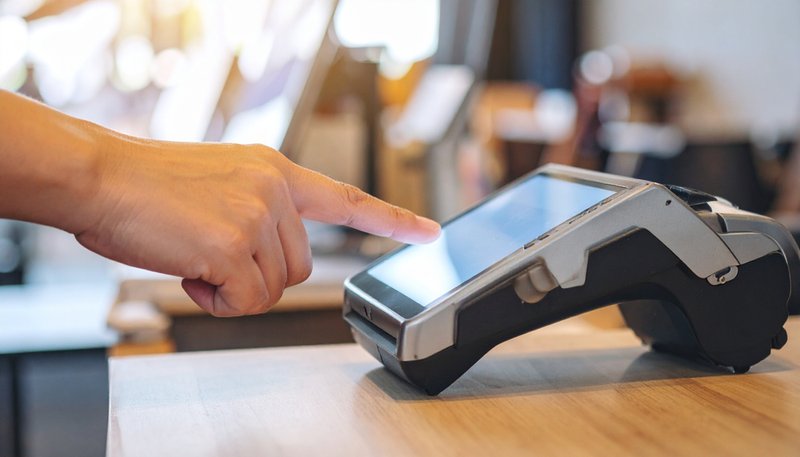
Customer behavior often changes over time. Ongoing analysis allows businesses to recognize shifts early and adapt accordingly. Companies that respond quickly to changing trends may gain an advantage over competitors.
Using Payment Analytics to Improve Operational Efficiency
Operational efficiency remains a priority for businesses seeking to control costs and improve profitability. Payment analytics can reveal opportunities to streamline processes and allocate resources more effectively. Small operational improvements often produce meaningful results over time.
Transaction data can help businesses identify staffing needs based on customer activity patterns. Managers can schedule employees more effectively during peak transaction periods. This improves customer service while helping control labor costs.
Payment data may also reveal operational bottlenecks that affect customer experiences. Identifying these issues allows businesses to make targeted improvements. Better efficiency often supports both profitability and customer satisfaction.
Why Payment Data Matters for Inventory Management
Businesses that sell physical products face ongoing inventory challenges. Overstocking increases carrying costs, while stock shortages can result in missed revenue opportunities. Payment analytics provides valuable information that supports inventory planning.
Transaction patterns help businesses understand product demand throughout the year. Seasonal trends become easier to identify when payment data is analyzed consistently. This allows organizations to make more informed purchasing decisions.
Integrated payment and point-of-sale systems can further improve visibility. When payment data and inventory information work together, businesses gain a more complete picture of operational performance.
The Connection Between Payment Analytics and Customer Experience
Customer experience has become a significant competitive differentiator. Businesses that understand customer preferences can create more convenient and personalized interactions. Payment analytics helps organizations identify opportunities to improve those experiences.
For example, transaction data may reveal which payment methods customers prefer most often. Businesses can use this information to prioritize payment options that align with customer expectations. Convenience often influences purchasing decisions.
Payment analytics can also help identify friction points within the customer journey. Businesses that address these issues may improve conversion rates and encourage repeat purchases. Even small improvements can have a meaningful impact on long-term customer relationships.
Payment Analytics Supports Better Financial Decision-Making
Financial leaders rely on accurate data when making strategic decisions. Payment analytics provides valuable insights into revenue trends, transaction performance, and payment-related costs. Access to reliable information supports stronger planning and forecasting.
Businesses can use transaction data to evaluate growth opportunities and identify areas requiring attention. Performance comparisons across locations, product categories, or time periods become easier when supported by detailed reporting. Better visibility often leads to better decisions.
Payment analytics can also help organizations identify inefficiencies that increase costs. Recognizing these issues early allows businesses to take corrective action before problems grow larger.
Why Modern POS Systems Play an Important Role
The value of payment analytics depends largely on the quality of available data. Modern point-of-sale systems help businesses collect, organize, and analyze transaction information more effectively. Advanced reporting capabilities provide deeper visibility into daily operations.
Custom-built POS platforms offer additional flexibility for businesses with unique operational requirements. These systems can generate reports tailored to specific business objectives and workflows. Greater customization often leads to more meaningful insights.
For retail stores, restaurants, and multi-location businesses, centralized reporting creates significant advantages. Decision-makers can evaluate performance across locations and identify opportunities for improvement more efficiently.
Turning Payment Data Into a Competitive Advantage
Many businesses have access to payment data, but not all organizations use it strategically. Competitive advantage comes from the ability to transform information into actionable decisions. Businesses that actively analyze transaction data can often respond more effectively to changing market conditions.

Payment analytics supports faster decision-making by providing visibility into customer behavior and business performance. Organizations can identify emerging trends before competitors recognize them. This agility becomes increasingly valuable in competitive markets.
As technology continues to evolve, payment data will likely become even more important. Businesses that establish strong analytics practices today may be better positioned for future growth and innovation.
Using Payment Analytics to Support Long-Term Growth
Transaction data contains valuable insights that extend far beyond payment acceptance. Businesses that leverage payment analytics can better understand customers, improve operational efficiency, strengthen financial planning, and identify new opportunities for growth. The ability to make informed decisions based on real transaction data is becoming an increasingly important competitive advantage.
Modern payment technologies play a critical role in making these insights accessible and actionable. At Tidal Commerce, we help businesses maximize the value of their payment systems through secure payment processing, merchant services, and our custom-built Waves POS platform.
Our team works directly with merchants to identify payment solutions that support operational efficiency, data visibility, and long-term business growth. For more information, call 1-855-51-TIDAL.