
The point of sale system a business runs is one of the most consequential technology decisions it makes. It affects how quickly customers are served, how accurately inventory is tracked, and how confidently management can act on sales data. Cloud-based POS systems represent a significant departure from traditional setups, and the differences go far beyond where data is stored. Businesses that understand these distinctions are better positioned to choose a system that supports long-term growth.
How Traditional POS Systems Work
Traditional POS systems, sometimes called legacy or on-premise systems, store all data locally on a server or terminal kept on-site. Every transaction, inventory update, and sales report lives on hardware within the physical location. The software is installed directly on the device and does not require an internet connection to function during normal operations.
This architecture made sense when internet connectivity was unreliable or unavailable. For businesses with a single location and straightforward needs, a traditional system could operate predictably for years. However, the limitations of local storage and on-site hardware become increasingly apparent as businesses grow, add locations, or need access to data beyond the four walls of a single store.
How Cloud-Based POS Systems Work
A cloud-based POS system processes and stores data on remote servers accessed through an internet connection. The software runs as an application on a tablet, mobile device, or computer, with all transaction data synced to the cloud in real time. Authorized users can access sales reports, inventory levels, and employee data from any device, at any time, from any location.

This architecture fundamentally changes what is possible for business owners and managers. Rather than being tethered to a back-office computer to review yesterday's numbers, a manager can check real-time sales from a phone while away from the floor. That level of access transforms how decisions are made and how quickly problems are identified and addressed.
Cost Structure: Upfront vs. Ongoing
One of the most practical differences between the two systems lies in how they are priced. Traditional POS systems typically require a significant upfront investment in proprietary hardware and software licensing. Ongoing costs include maintenance contracts, software updates purchased separately, and IT support for the on-site server. When hardware fails, repair or replacement costs fall entirely on the business.
Cloud-based systems generally operate on a subscription model, spreading costs over time rather than concentrating them at setup. Hardware tends to be more affordable because businesses can often use consumer-grade tablets or existing devices. Software updates are delivered automatically and included in the subscription, eliminating the need for manual installations or separate upgrade fees.
Data Access and Real-Time Reporting
Traditional POS systems generate reports that are only accessible from the terminal or back-office computer where data is stored. Pulling a sales report after hours, checking inventory from a different location, or monitoring performance across multiple stores requires either physical presence or a complex and often costly remote access setup.
Cloud-based POS systems make real-time reporting a standard feature rather than an add-on. Sales data, hourly performance metrics, cash flow summaries, and customer payment breakdowns are available instantly from any connected device. For businesses with multiple locations, this visibility is particularly valuable. Managers can compare store performance, identify trends, and respond to issues without waiting for end-of-day reports.
Inventory Management Across Locations
Managing inventory in a traditional POS environment requires manual synchronization between locations or a separate inventory management platform. Stock levels updated at one terminal do not automatically reflect at another, which creates the potential for overselling, ordering errors, and time-consuming reconciliation processes.
Cloud-based systems sync inventory data across all terminals and locations in real time. When a product is sold at one register, every connected device reflects the updated stock count immediately. This accuracy reduces waste, prevents stockouts, and gives purchasing decisions a reliable data foundation. For businesses that manage hundreds or thousands of SKUs, the operational difference is substantial.
Hardware Flexibility and Mobility
Traditional POS hardware is typically proprietary and purpose-built for a specific software environment. Replacing or upgrading equipment often means purchasing hardware from the same vendor, locking businesses into a particular ecosystem. Terminals are also fixed in place, which limits where and how transactions can be completed.
Cloud-based POS systems are designed to run on a wide range of hardware, including Android tablets, iPads, Windows PCs, and smart terminals. This flexibility gives businesses more control over their setup and lowers the cost of expanding or replacing equipment. Mobility is another practical advantage, enabling staff to take payments tableside, at events, or anywhere a customer might be, without being confined to a fixed counter.
Security and Software Updates
Security in a traditional POS environment is the responsibility of the business. Software patches must be applied manually, and outdated systems are a common target for payment card attacks. A system running unpatched software is a known vulnerability, and many high-profile data breaches have involved legacy POS environments.
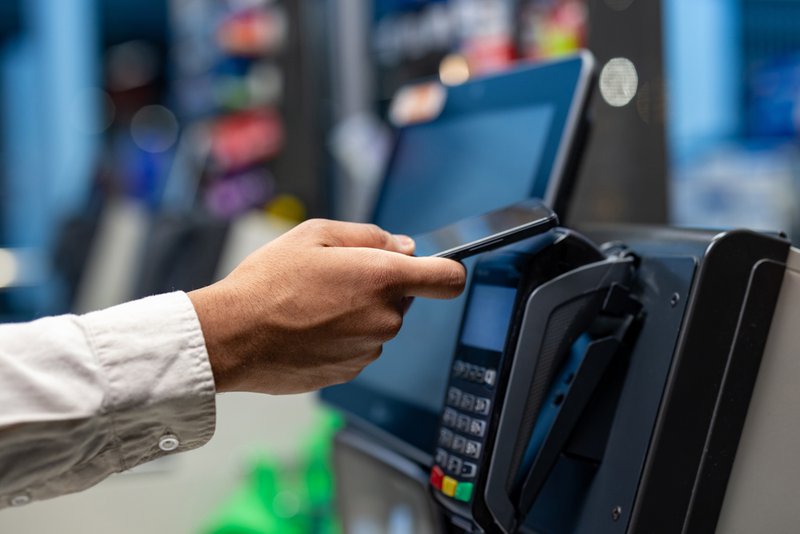
Cloud-based systems receive automatic software and security updates from the provider, ensuring that every terminal runs the latest version without any action required from the business. End-to-end encryption and tokenization are built into the payment flow, protecting cardholder data at every stage of the transaction. Maintaining PCI DSS compliance is also more straightforward when the provider handles the underlying infrastructure.
Ecommerce and Omnichannel Capabilities
Traditional POS systems operate in isolation from online sales channels. Connecting in-store operations to an ecommerce platform typically requires a third-party integration, custom development work, and ongoing maintenance to keep the two environments in sync. This creates friction for businesses that want to sell both in-store and online.
A cloud-based POS system is built with ecommerce and omnichannel operations in mind. Online orders, in-store sales, and invoicing can be managed from the same platform, with inventory and customer data shared across every channel. Businesses that want to add online ordering or expand their sales footprint can do so without overhauling their existing setup.
Choosing the Right Cloud-Based POS Systems
Not all cloud-based POS systems are built the same way. The depth of features, quality of hardware support, and level of ongoing service vary significantly between providers. Businesses should evaluate systems based on the specific workflows they need to support, the hardware options available, and the quality of technical support included.
Tidal Commerce built Waves POS in-house to give merchants a cloud-based POS system with the depth and flexibility modern businesses require. Our 24/7 U.S.-based support team is available to help at every stage, from setup through daily operations. Call us at 1-855-51-TIDAL for more information.


